Posted in zany, offbeat humor

Treadmill Desks v.2

This was originally posted July 2, 2015. At that time it was a little overdue because it took me longer than anticipated to get those pesky RFID chips that I mentioned last post out of my distal colon.  But that’s all behind (!) me now and it’s time to move on and talk about moving in general and treadmill desks in particular.

A few months ago I was sitting at my office desk when I was suddenly seized by an uncontrollable urge to start standing at my desk all day instead of sitting at it all day.  This wasn’t a random obsession like some other random obsessions I’ve had but was actually driven by my having just read a book by Dr. James Levine MD PhD entitled: “Get Up!  Why your chair is killing you and what you can do about it.”

get-up-200x300

To be clear, Dr. Levine has nothing against chairs. He is an endocrinologist and an obesity researcher as well as the Director of the Mayo Clinic/Arizona State University Obesity Solutions Initiative. One of the key messages in Dr. Levine’s book is basically that humans weren’t meant to sit down all day, and regular workouts can’t compensate for the amount of time we spend in our chairs. He is also noted for coining the phrase “Stuffed Burrowing Owls are the New Furbys”.

owler

Actually, I’m lying. Levine coined the phrase: “Sitting is the New Smoking.”

Anyway, the rationale for why sitting is bad for you revolves around explaining why standing is good for you.  When you are standing, the large muscles in your legs are more active (unless you are duct-taped upright to a tree or lamp-post) and will absorb lots of glucose (sugar) from your blood.  Standing also increases your basal metabolic rate.  Conversely, when you are sitting around all the time, your basal metabolic rate is lower, it’s more difficult for your body to clear glucose from your blood and your pancreas has to produce more insulin to compensate. Over time this leads to Type II diabetes.

The pancreas doesn’t get a lot of air time because, to be honest, as far as organs go, it’s pretty unfortunate-looking (Exhibit A). It’s also quite a shy organ and doesn’t get out much as it’s closeted between the stomach and the spine and surrounded by the liver, the spleen and the small intestine.
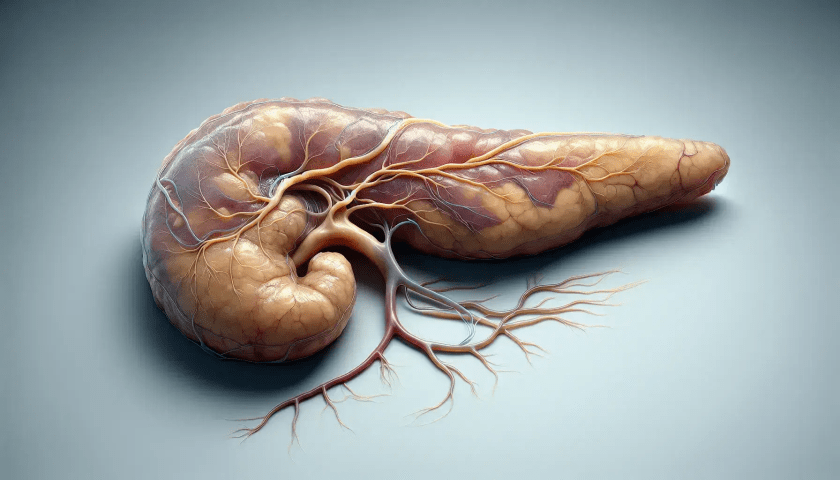
Exhibit A

Burning glucose simply by standing is called NEAT or Non Exercise Activity Thermogenesis. Not that it matters, but NEAT can easily be rearranged to ETNA, meaning maybe your insurance premium will go down next year if you stand all day but don’t bet on it. Alert readers will note that I shamelessly borrowed here from Dave Barry’s lexicon of literary devices which include rearranging a seemingly normal acronym to make a funnier, or at least a more interesting one.

Anyway, more NEAT means your pancreas doesn’t have to make as much insulin, and the insulin you do make will work better.  This will reduce your risk of diabetes but the jury is still out regarding the effect on other degenerative conditions such as birdwatching and reselling stuff you bought at garage sales on Facebook Marketplace.

Long story short, standing at least intermittently throughout the day is much better for you than sitting for 8 hours straight. However, the shine eventually wore off just standing there, immobile, day after day. Fortunately, I was seized by yet another urge which involved converting my desk into a treadmill desk. A treadmill desk is exactly like an ordinary desk, except it’s higher and has a treadmill in front of it. Levine says walking slowly on a treadmill is a great way to increase NEAT.

Oddly enough though, with all that standing and slow walking, I found myself constantly fighting the urge to go outside and nibble grass for some reason.

Levine is widely credited as the inventor of treadmill desks but that distinction likely should belong to Nathan Edelson, who patented a design for a portable desk intended to be used with a treadmill back in 1993. Dr. Levine does get credit though, for helping to popularize working while walking on a treadmill via his Get UP! book but also via his other book: If These Boots Are Good Enough For Nancy, They’re Good Enough For You.

nancy-sinatra-these-boots-a

I bought a used treadmill, removed the handrails, slid it under my desk, built a platform for my phone, computer, stuffed Burrowing Owl, etc. and off I went.  In his book, Dr. Levine cautions the neophyte treadmilling worker, saying: “There’s a tendency to want to jump on the treadmill and walk for hours and hours a day.  Don’t do that. Certainly, at the absolute maximum, do half-hour on, half an hour off, for two to three hours a day.”  He also suggests a top speed of 0.5 to1.5 mph.

So naturally, being the possessor of a Y chromosome (trillions, actually), I began walking for 8 hours straight, on Day One, which happened to be a Monday. By the following Thursday afternoon I was happily clocking along at 2.5 mph and by Friday afternoon, I had acute pain and tenderness in my lateral left lower extremity, six inches above the ankle. I could barely walk. I swear on my podiatrists medical license that I am not making this up.

But several weeks later, after I ditched the crutches, I was back at treadmilling and settled into a steady 1.5 mph, still fighting the urge to nibble grass and stopping only to go to the bathroom.  Typing and mousing took a while to master but I got there.

Fast forward a few months. My FitBit kept flashing the “Full” symbol but I’m a few pounds lighter and my belt is several notches tighter.  Tracy, one of the two people I share my office with, goes around with a hunted look in her eyes most of the time and has taken to muttering and wearing earplugs.  Martin, my other office mate, is pretty blasé about the whole thing.  He thinks that the electrically-grounded, tinfoil lined hat I’m wearing (to prevent static buildup) is a bit weird but otherwise he’s cool with the incessant low-grade droning of the treadmill.

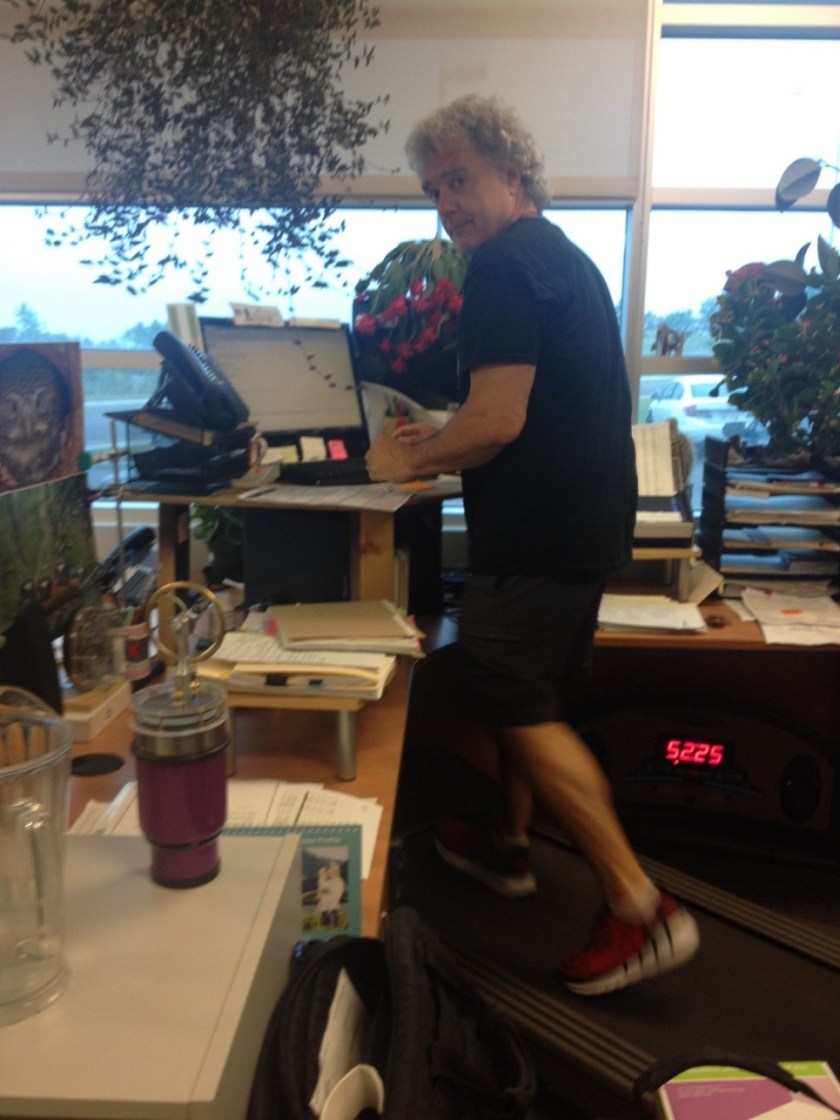
Disclaimer: This man is not me.

Levine was certainly right about the thermogenesis bit.  I had to install a couple of fans trained on my head and torso, once summer arrived.  I haven’t gotten any bloodwork to check on my metabolic parameters since I started treadmilling but one of these days I will.  I just have to amble on over to the nearest Alberta Health Services lab.  It’s 14.3 miles one way but somehow I think I’m up to the walk.

Posted in zany, offbeat, somewhat silly humor

The Mesentery

2016 was a big year in many ways: The Cubs won the World Series after a drought spanning more than a century, SpaceX landed a rocket on a barge in the middle of the ocean, Matt Damon ate a lot of potatoes (and I mean a lot) but the most startling news came from the world of organ politics, where the Mesentery was voted in as the newest human organ.

According to a press release from the Department of Keeping Tabs On Electing New Organs To Membership in the Human Body:

“The Mesentery came out of nowhere in the primaries last summer, to become the darling of the Undiscovered Endocrine Organ party and then continued on to startle the world in November by defeating Undiscovered Exocrine Organ party candidate, the Nasal Mucosa, considered by many to be the odds-on favorite in the thrilling race to be the newest human organ.”

mesentery-2nasal-mucosa

The picture on the right, which appears to be some kind of inter-dimensional spacetime portal is actually a picture of the inside of someone’s nostril.  The owner might be a professional Nostril Model, since that is quite a fetching tract of nasal mucosa if you ask me.  The thing on the left is a drawing of one of the three Mesenteries which all of us, professional Mesentery Models included, carry around inside our abdomens at all times.  In that drawing, the Mesentery is the yellow membrane fanning out to attach to the pink knobbly thing, which happens to be a sigmoid colon.  So this particular Mesentery is a Sigmoid Mesocolon Mesentery.

Right?  Repeat after me: “Anatomy is easy!”

The Mesenteries are layered membranes which perform a lot of functions including anchoring, secreting, storing and supplying.  That sounds like a pretty full dance card for any tissue, especially one that has just achieved organhood.

By the way, organhood is not a word. Google was pretty definite on this point, asking me if instead I was looking for: 1) orphanhood, 2) Organ Mood, 3) organoid or 4) organ food.  A couple of these options need further explanation.

Option Two:  Organ Mood is the name that a couple of really avant-garde guys from Quebec named Mathieu Jacques and Christophe Lamarche gave to themselves when they decided to create live audiovisual performances in which the audience could also participate.

Here they are (well, one of them anyway), hard at work creating a live audiovisual performance:

organmood

I guess you probably need to be there to fully appreciate this.

Option Three:  An organoid is a great name for what you get when you try to grow a little three-dimensional baby organ in a Petri dish, starting with a few stem cells.  It could also be a great name for a planet:

Organoid Alien:  “We are from the planet Organoid.  We have come here to listen to some of your avant-garde music.  Which way is Quebec?”

Anyway, where was I?  Oh yes, the Mesentery.  So like I said, the Mesenteries (all three of them) have a lot on their plates , keeping busy all day anchoring some of the intestines to the back wall of the abdominal cavity, secreting mucus to help some of the other intestines slip and slide past each other as they digest our food, storing fat and last-but-not-least, providing a scaffold for the blood and lymphatic vessels to travel to and from the intestines.  Busy, huh?

But like I always say: “If you want to get a bunch of metabolic functions performed, ask a busy collection of cells to do it.”

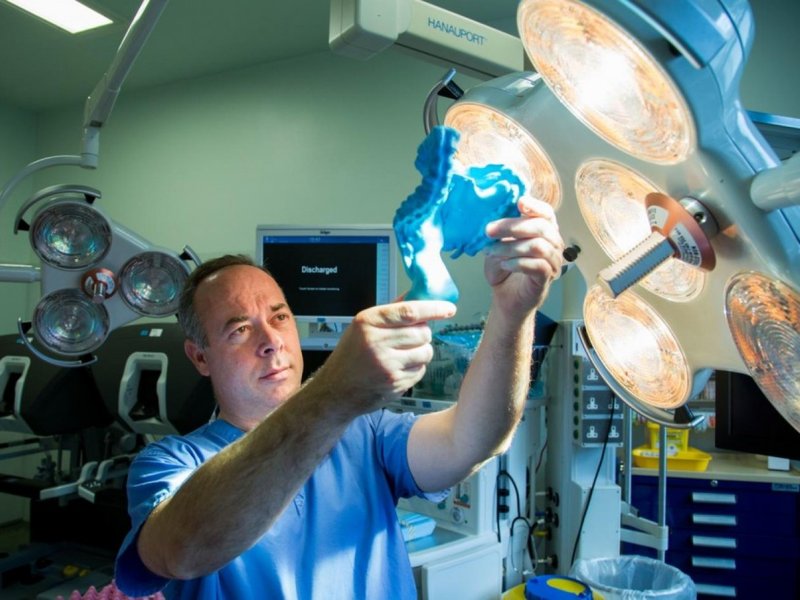
Speaking of busy, below we have Dr. J. Calvin Coffey, busy researcher at University Hospital in Limerick, Ireland, holding up something that looks like it might be a mesentery.

mesentery-1
Dr. Coffey inspecting his new toupee

Based on research he conducted over several years, Dr. Coffey laid out his arguments in favor of elevating the mesentery to organ status in a November 2016 article in The Lancet, in case you’re interested.

Needless to say, this turn of events generated a storm of controversy and induced many prominent individuals including actress-cum-Kleenex spokesperson-cum-political commentator Meryl Streep to hold forth, denouncing the election results, as she received a lifetime achievement award at the recent Nasal Mucosa Awards.

streep
Meryl Streep sans Kleenex, holding her award, and some flowers

She may have said something like the following (but don’t quote me):

This just isn’t fair. No one appreciates the role that the Nasal Mucosa-all 384 square metres of it- plays in health and well-being.  For example, everyone has heard of nitric oxide (NO for short) but how many of us realize that NO is actually a body-wide signaling molecule with roles in vasodilation, inhibition of platelet aggregation, prevention of neutrophil/platelet adhesion to endothelial cells, inhibition of smooth muscle cell proliferation and migration, regulation of programmed cell death (apoptosis) and maintenance of endothelial cell barrier function. NO generated by neurons acts as a neurotransmitter, whereas NO generated by macrophages in response to invading microbes acts as an antimicrobial agent.

If all that doesn’t make the Nasal Mucosa a great candidate for human organ status, I don’t know what will.  I think the Mesentery should be impeached immediately.  In fact I’m going to ask President-elect Donald Trump to intervene.  After that I plan to rip out his Transverse Mesocolon Mesentery with the handle of a butter knife.  Then I’m going to move to Sweden, or maybe  Canada.  If any country knows about the Nasal Mucosa, it’s Canada.  I hear they get a lot of colds up there.”

Well maybe she didn’t say all that, but prominent researcher Marinella Rosselli did say some of it in her 1998 article entitled: “Role of nitric oxide in the biology, physiology and pathophysiology of reproduction.”  If you don’t believe me you can check out her paper yourself.

It’s a great review article, as far as review articles go.  I plan to read it as soon as I finish reading a charming children’s book by Rebecca Sampson, entitled: A Frocodile Ate My Socks, which once-and-for-all, solves the “universal phenomenon, mystifying laundry enthusiasts for decades – where are the socks going?”  It received a five-star rating in a new book by Dave Barry: “Dave Barry’s Guide to Sorting Your Laundry.”

frocodile

But clearly, I need to get back on track here.  I just remembered that I forgot to explain exactly what an organ is, back at the beginning, so now is as good a time as any to do that, plus it will be a good way to wrap up this column.  An organ is: “A grouping of tissues into a distinct structure, such as a heart or kidney in animals or a leaf or stamen in plants, that performs a specialized task.”

Most of us are no doubt familiar with common household organs including the following:

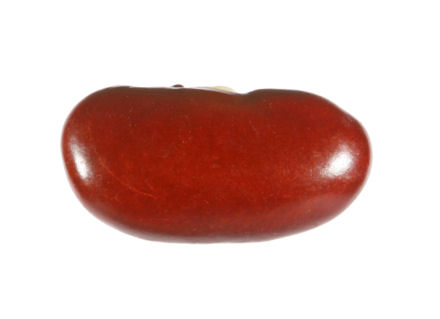
Kidneys:  Shaped like kidney beans, these fist-sized organs do a lot of stuff like regulating the balance of sodium and potassium, activating Vitamin D and reminding you that they exist as you’re halfway up a long chairlift at the ski hill with a full bladder.

kidney-bean
Kidney Bean (not to scale)

Thyroid: A butterfly-shaped organ in your neck responsible for regulating your metabolic rate but also responsible for generating literally hundreds of self-help medical books, many of them urging you to eat seaweed on a regular basis, and also to stand in a cold shower with the water playing directly on your throat.

Parathyroid glands: Four pea-sized glands which flank the thyroid gland, with their main purpose being to allow ENT surgeons to bill extra for taking them out when the thyroid needs to be removed secondary to hypothermia.

parathyroid-glands
One thyroid gland and four, count ’em four parathyroid glands

Adrenal glands: Two acorn-shaped glands about the size of small mice, which sit atop the kidneys, regulating just about everything including your political preference but also responsible for generating another several thousand self-help medical books urging you to meditate frequently and breathe through your nose (thereby generating copious amounts of NO).

adrenal-glands

Pancreas: Most of this elusive and independent organ about the size of a 6-inch long baby python, happily resides behind the peritoneum (so it doesn’t need a mesentery to anchor it, thank you very much).  It helps regulate your blood sugar levels, so just remember that when you’re stranded on Mars eating a potato-based diet.  (Actually, if you’re stranded on Mars, your pancreas is probably the last thing you need to worry about.)

python
Anatomist holding a small, curled-up pancreas

I could go on, but I won’t. Instead I’ll leave you to ponder why I chose to describe all these organs in terms of various vegetables, animals, other human body parts, reptiles and insects.  There must be a name for this particular literary device, but I don’t know what it is.

But at least now you know where to look if you’re missing some socks.

Next column:

How to establish yourself as a successful Body-part Model (and also How to Live to be at least 100 years old)

PARAGUAY-SOCIETY-WAR-VETERAN-ESCOBAR
Body-part Models